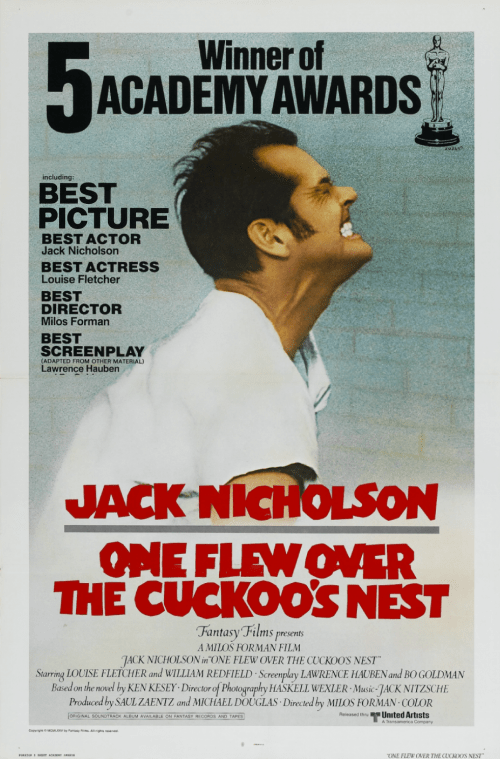
When Randle Patrick McMurphy (Jack Nicholson) gets transferred for evaluation from a prison farm to a mental institution, he assumes it will be a less restrictive environment. But the martinet Nurse Ratched (Louise Fletcher) runs the psychiatric ward with an iron fist, keeping her patients cowed through abuse, medication and sessions of electroconvulsive therapy. The battle of wills between the rebellious McMurphy and the inflexible Ratched soon affects all the ward’s patients.
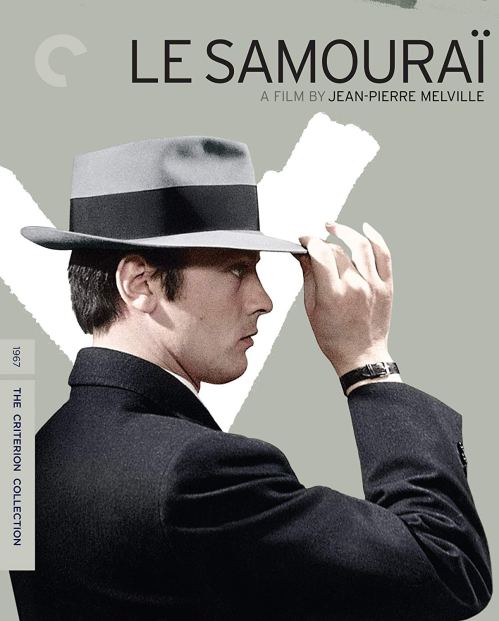
Melville creates a world that rewards you looking at the details.
“An elegantly stylized masterpiece of cool by maverick director Jean-Pierre-Melville, Le Samouraï is a razor sharp cocktail of 1940 American Gangster Cinema and 1960 French pop culture – with a liberal dose of Japanese lone-warrior mythology.”
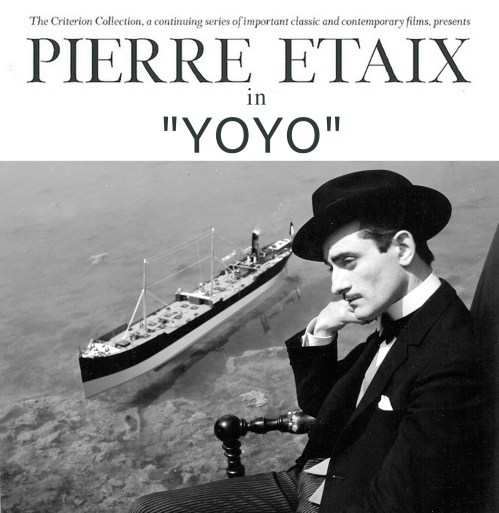
Yo Yo is a 1965 French comedy film by Pierre Étaix. The story follows the son of a millionaire from the 1920s to the 1960s. After losing his fortune in the stock-exchange crash, he teams up with an equestrienne and becomes a circus clown.
This elaborately conceived and brilliantly mounted comedy is Pierre Etaix’s most beloved movie, as well as his personal favorite. Beginning as a clever homage to silent film, complete with intertitles, Yoyo blossoms into a poignant family saga (in which Etaix plays both a father and his grown son) and a celebration of the circus Etaix adored. Chock-full of nimble sight gags and ingenious sound effects, Yoyo is very sweet, a little bit melancholy, and wholly imaginative.
Pierre Étaix co-directed one of Jacques Tati’s great hits, “Mon Oncle” and many folks think his style is very close to Tati’s–which it is.
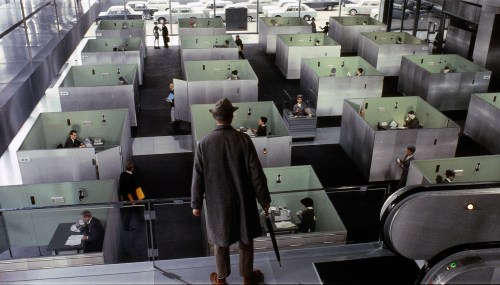
We’ve seen “My Uncle” (1958) and “Mr. Hulot’s Holiday” (1953). Looking forward to “Play Time”(1967), the celebrated Jacques Tati directs and stars in this brilliantly eccentric ode to humanity. Tati plays Monsieur Hulot, a Parisian who’s befuddled by the changes he witnesses in his beloved city, which has grown increasingly touristy. As Hulot roams the uncomfortably modern Paris with a group of American tourists, his story epitomizes the struggle of modern man to maintain a soul in the face of an impersonal world.
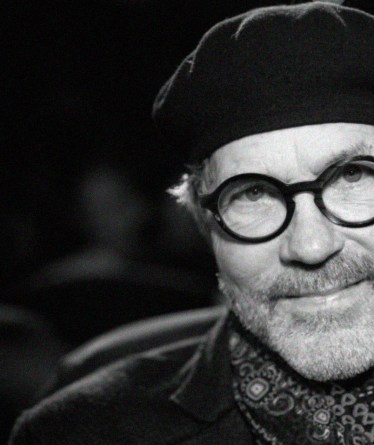
We will look at highlights of this distinguished production designer’s oeuvre.
We will see clips from his most recent filmBlade Runner 2049, and then look back at his remarkable earlier work including:
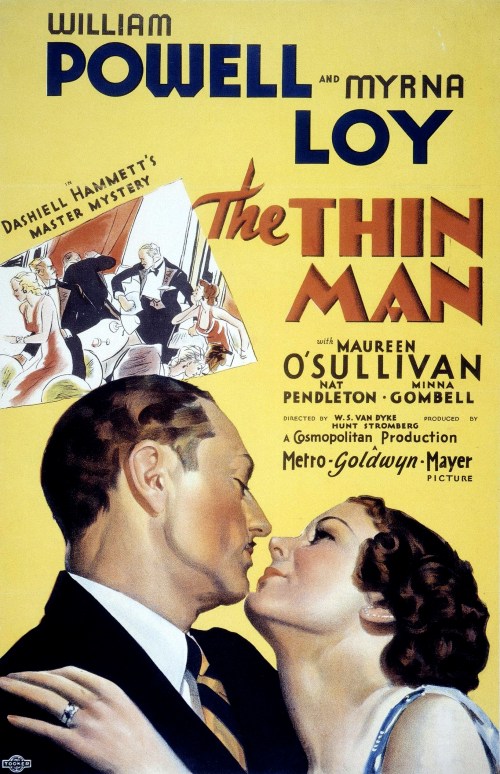
William Powell is to dialogue as Fred Astaire is to dance. His delivery is so droll and insinuating, so knowing and innocent at the same time, that it hardly matters what he’s saying. That’s certainly the case in “The Thin Man” (1934), a murder mystery in which the murder and the mystery are insignificant compared to the personal styles of the actors. Powell and Myrna Loy co-star as Nick and Nora Charles, a retired detective and his rich wife, playfully in love
“The Thin Man” was one of the most popular films of 1934, inspired five sequels, and was nominated for four Oscars (best picture, actor, direction and screenplay). Yet it was made as an inexpensive B-picture. Powell and Loy had been successful together earlier the same year in “Manhattan Melodrama” (the last film John Dillinger ever saw), and were quickly cast by MGM in this crime comedy that was filmed, incredibly, in only two weeks.
Dennis Gassner picks this film as one of his favorites.
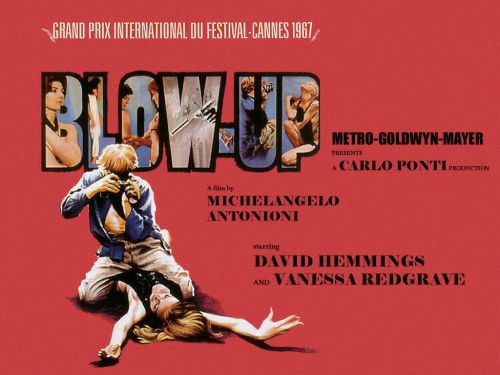
A seminal film of the 60’s, ( 4 Stars, Roger Ebert ) A film that influenced a young Tom Sewell in 1966.
Thomas (David Hemmings) is a London photographer who spends his time photographing fashion models. But one day he thinks he may have photographed something far more sinister: a murder.
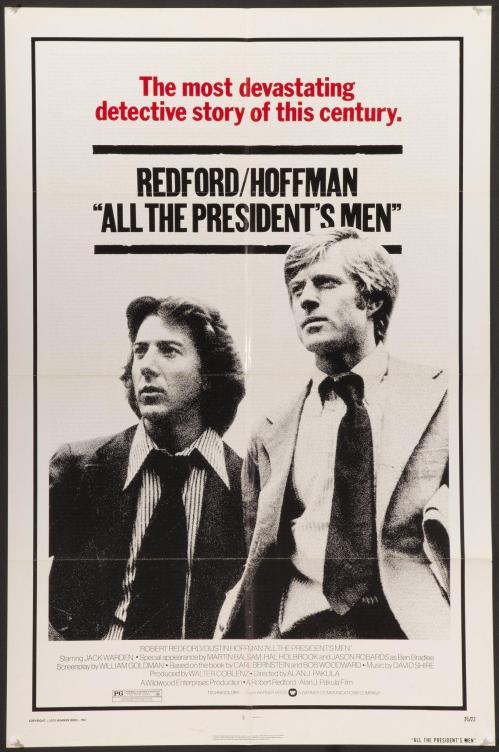
“The Washington Post” reporters Bob Woodward and Carl Bernstein uncover the details of the Watergate scandal that leads to President Richard Nixon’s resignation.



 Cinematiki Maui