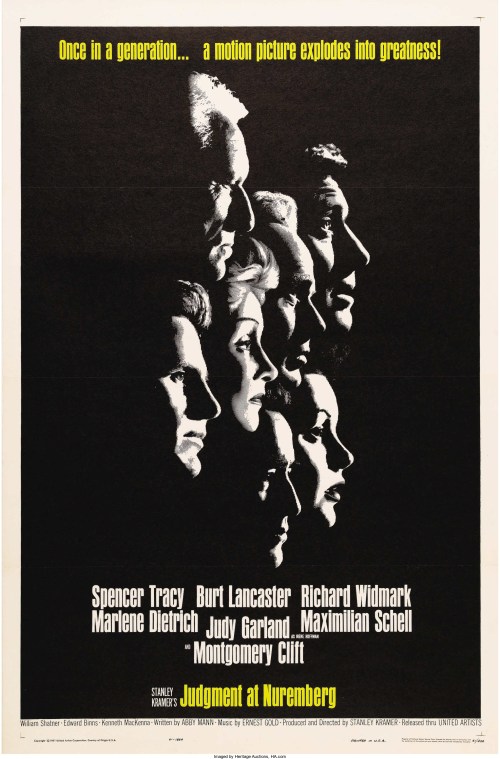
In 1947, four German judges who served on the bench during the Nazi regime face a military tribunal to answer charges of crimes against humanity. Chief Justice Haywood (Spencer Tracy) hears evidence and testimony not only from lead defendant Ernst Janning (Burt Lancaster) and his defense attorney Hans Rolfe (Maximilian Schell), but also from the widow of a Nazi general (Marlene Dietrich), an idealistic U.S. Army captain (William Shatner) and reluctant witness Irene Wallner (Judy Garland).
Sad & Sweet, with a rare lyricism…100% on Rotten Tomatoes
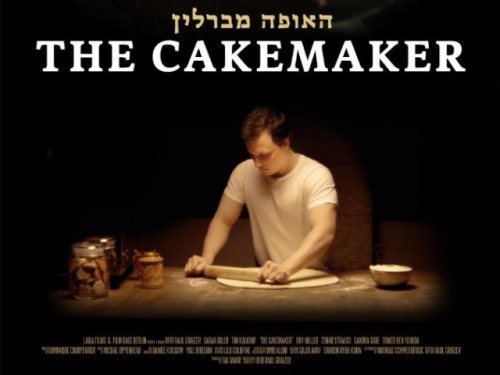
Just back from our 7 week trip to NYC & Europe with a hot tip on a great new film, “The Cake Maker” recommended by Chloe Mons in France and Loren Paul Caplin in NYC (two of my favorite friends) TFS
Tom & Michelle have returned from NYC, Paris and Prague.
WE WILL START UP WITH A SPLENDID COMEDY ABOUT RUSSIA.
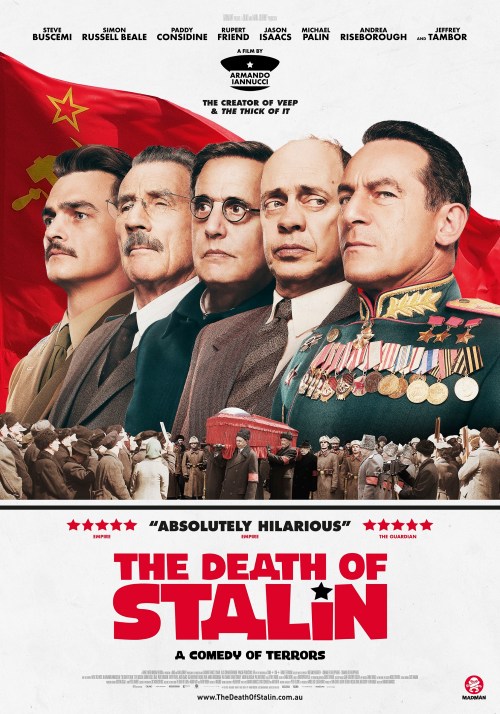
The one-liners fly as fast as political fortunes fall in this uproarious, wickedly irreverent satire from Armando Iannucci (Veep, In the Loop). Moscow, 1953: when tyrannical dictator Joseph Stalin drops dead, his parasitic cronies square off in a frantic power struggle to be the next Soviet leader. Among the contenders are the dweeby Georgy Malenkov (Jeffrey Tambor), the wily Nikita Khrushchev (Steve Buscemi), and the sadistic secret police chief Lavrentiy Beria (Simon Russell Beale). But as they bumble, brawl, and backstab their way to the top, just who is running the government? Combining palace intrigue with rapid-fire farce, this audacious comedy is a bitingly funny takedown of bureaucratic dysfunction performed to the hilt by a sparkling ensemble cast.
The New Yorker – “The Death of Stalin” Dares to Make Evil Funny”
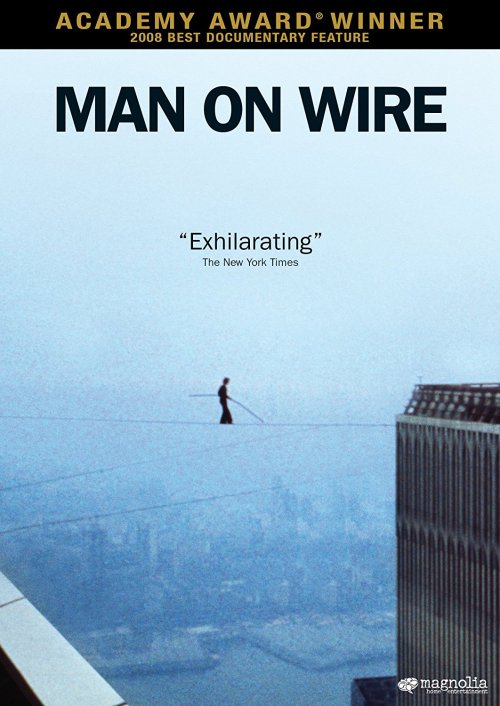
August 7, 1974. A young French man named Philippe Petit stepped out on a wire suspended between the Twin Towers of the World Trade Center. He danced on this wire for an hour with no safety net before he was arrested for what has become to be known as the “artistic crime of the century.”
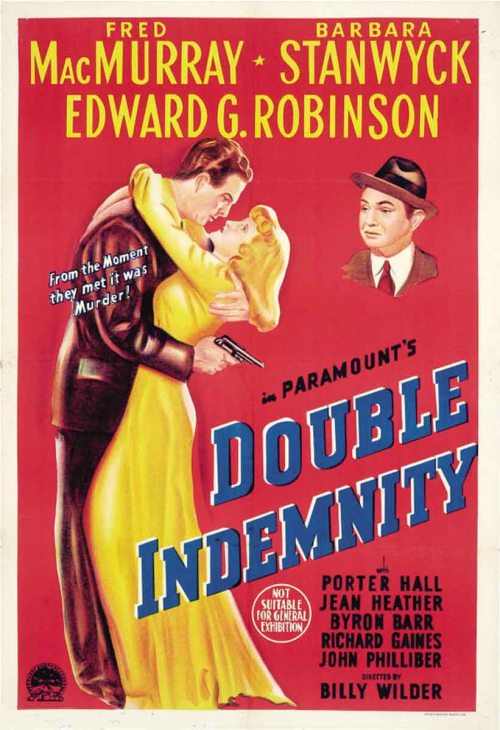
In this classic film noir, insurance salesman Walter Neff (Fred MacMurray) gets roped into a murderous scheme when he falls for the sensual Phyllis Dietrichson (Barbara Stanwyck), who is intent on killing her husband (Tom Powers) and living off the fraudulent accidental death claim. Prompted by the late Mr. Dietrichson’s daughter, Lola (Jean Heather), insurance investigator Barton Keyes (Edward G. Robinson) looks into the case, and gradually begins to uncover the sinister truth.
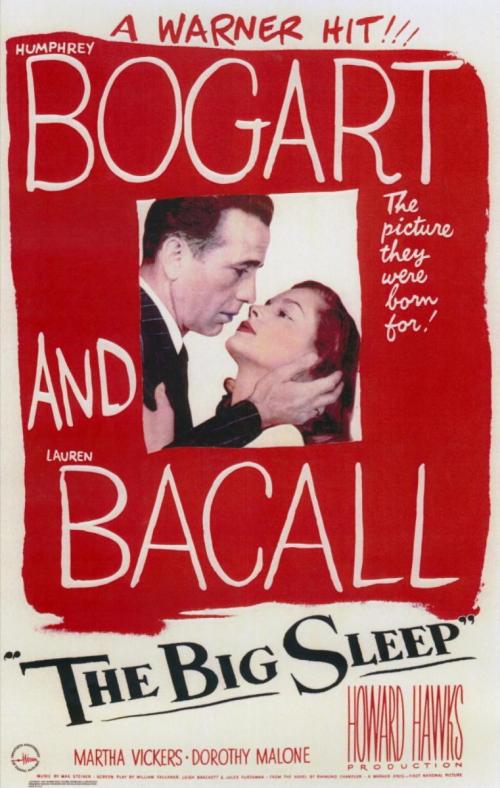
Private investigator Philip Marlowe (Humphrey Bogart) is hired by General Sternwood to help resolve the gambling debts of his wild young daughter, Carmen (Martha Vickers). Sternwood’s older daughter, Vivian (Lauren Bacall), provides assistance when she implies that the situation is more complex, and also involves casino owner (John Ridgely) and a recently disappeared family friend. As people linked to the Sternwoods start being murdered, Marlowe finds himself getting ever deeper into the case.
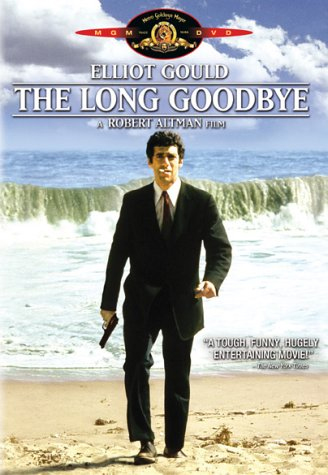
“There are so many levels on which to appreciate the film,” said Gabriel Kahane, who collaborated in the programming of Sunshine Noir. “One is the rewriting of Marlow as this kind of sharp tonged Jewish guy. The film is at once neo-noir and an elegy for golden age of noir.”
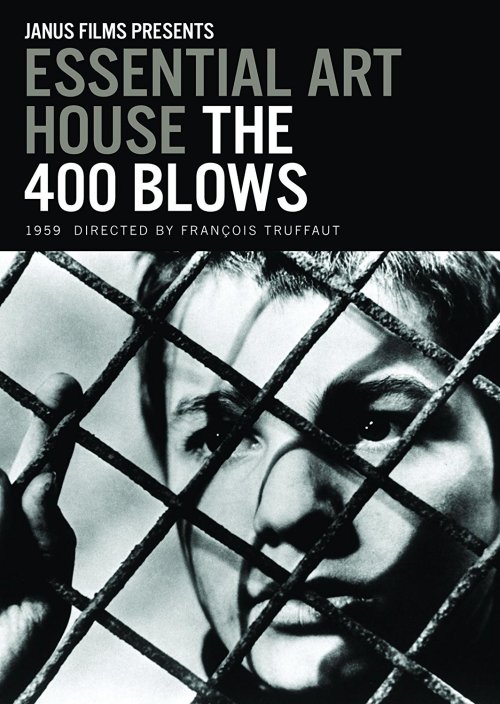
Francois Truffaut’s “The 400 Blows” (1959) is one of the most intensely touching stories ever made about a young adolescent. Inspired by Truffaut’s own early life, it shows a resourceful boy growing up in Paris and apparently dashing headlong into a life of crime. Adults see him as a troublemaker. We are allowed to share some of his private moments, as when he lights a candle before a little shrine to Balzac in his bedroom. The film’s famous final shot, a zoom in to a freeze frame, shows him looking directly into the camera. ~ Roger Ebert


 Cinematiki Maui